Brake Repair
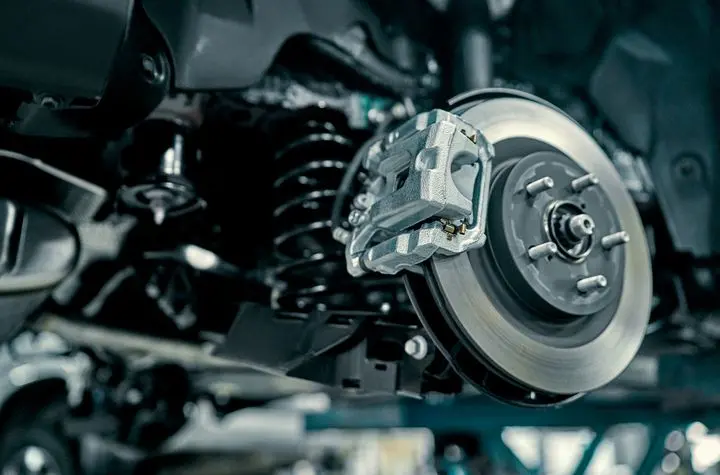
Brake Repair in Yakima, WA
Your brakes should respond predictably every time you slow down or stop. If you hear a new noise, feel a vibration, notice a change in the brake pedal, or see a brake-related warning light, it is worth having the system checked.
AutoMetrics provides brake repair in Yakima, WA, for European, domestic, and Asian vehicles. Brake repair is one of our key specialties, and our ASE-certified team has experience diagnosing problems throughout the braking system.
A brake symptom does not always tell you exactly which part needs repair. Pads, rotors, calipers, brake fluid, hydraulic components, ABS components, and other parts can all affect braking in different ways. That is why we start by inspecting the vehicle and determining what is actually causing the concern.
If your brakes do not sound or feel right, call AutoMetrics at 509-457-3739 to schedule a brake inspection in Yakima.
Signs Your Brakes May Need Attention
Brake problems can develop gradually or seem to appear suddenly. Paying attention to changes in the way your vehicle stops can help you recognize when an inspection is needed.
Common signs of a possible brake problem include:
- Squealing, squeaking, or grinding when braking
- A brake pedal that feels different than usual
- Vibration or pulsation during braking
- Increased stopping distance
- A vehicle that pulls or behaves differently while braking
- A brake or ABS warning light
- Visible fluid near a wheel or underneath the vehicle
- A burning or unusual smell after braking
- Scraping or other new noises near a wheel
- Parking brake concerns
These symptoms are useful clues, but they are not a diagnosis. For example, a vibration during braking may involve the braking system, but the exact cause requires inspection. A warning light can also have several possible causes depending on the vehicle and system involved.
If your vehicle is braking differently than normal, do not rely on the symptom alone to decide which part needs replacement.
What Does a Brake Inspection Include?
The purpose of a brake inspection is to evaluate the condition of the system and identify the source of the customer's concern before recommending repairs.
What needs to be inspected can vary depending on the vehicle and symptoms. A technician may evaluate accessible brake components, pad condition, rotor condition, calipers, brake fluid, hydraulic components, hoses or lines, and related hardware as appropriate.
If the vehicle has a brake or ABS warning light, diagnostic information and additional testing may also be necessary. A trouble code can point a technician toward the system that detected a problem, but it should not automatically be treated as proof that a particular component has failed.
AutoMetrics also offers digital vehicle inspections. Our SmartFlow process helps document inspection information so customers can better understand the condition of their vehicle.
Brake Repair Services at AutoMetrics
Modern braking systems contain more than pads and rotors. The repair your vehicle needs depends on its design, condition, symptoms, and what an inspection reveals.
AutoMetrics provides brake service for a range of braking-system concerns in Yakima.
Brake Pad Replacement
Brake pads are wear components. They create friction against the brake rotor when the brakes are applied, helping slow the vehicle.
As pads wear, some vehicles may begin making noise or provide other indications that service is needed. However, noise alone does not confirm that the pads are the cause.
When brake pads need attention, the surrounding components should also be evaluated. Our brake pad replacement page explains this service in greater detail.
Brake Rotor Service
Brake rotors provide the surface that the brake pads act against during braking. Rotor condition can affect braking performance and may contribute to certain noises or vibrations.
Whether a rotor requires attention depends on its actual condition and the vehicle's requirements. It should not be assumed that every brake complaint requires rotor replacement.
Learn more about brake rotors and the role they play in the braking system.
Brake Caliper Repair
Brake calipers help apply the pads to the rotors on vehicles equipped with disc brakes. Problems involving a caliper or related components can affect how a brake operates, but similar symptoms can have other causes.
Inspection is needed before determining whether a caliper is responsible for the concern. Visit our brake calipers page for more information.
Brake Fluid Service
Brake fluid is an important part of a hydraulic braking system. It transfers hydraulic pressure when the driver applies the brake pedal.
Brake fluid condition and service requirements vary by vehicle. Rather than using one interval for every car, service recommendations should take the vehicle's requirements and fluid condition into account.
Read more about brake fluid service.
What Can Cause Brake Noise?
Brake noise is one of the most common reasons drivers begin paying attention to their brakes, but not every sound means the same thing.
Squealing, scraping, grinding, clicking, or other noises may involve brake components, normal wear, component condition, debris, or another issue around the wheel. The circumstances matter too. A noise that occurs only when braking may require a different diagnostic approach than one that continues while the vehicle is moving.
Instead of choosing a repair based solely on the sound, the better approach is to inspect the system and identify where the noise is coming from.
If you hear grinding or another significant new noise, especially when it is accompanied by a change in braking performance, have the vehicle inspected promptly.
Why Does My Brake Pedal Feel Different?
Drivers become familiar with how their brake pedal normally responds. A pedal that suddenly feels softer, harder, lower, or otherwise different deserves attention.
Changes in pedal feel can have several possible causes. The braking system uses mechanical and, on many vehicles, hydraulic and electronic components. A problem in one part of the system can sometimes produce symptoms that feel similar to a problem somewhere else.
A technician needs to consider the complete symptom and inspect the appropriate components before determining the cause.
If the pedal goes unusually low, braking ability is significantly reduced, or the vehicle does not seem safe to stop, avoid continuing to drive it until the situation can be evaluated appropriately.
Brake Warning Lights and ABS Lights
A brake warning light or ABS light should not be treated as a diagnosis by itself.
Depending on the vehicle, a warning may relate to different parts or operating conditions within the braking system. Vehicles equipped with an anti-lock braking system use sensors and electronic controls to monitor certain aspects of system operation.
Diagnostic trouble codes may provide useful direction when investigating an ABS warning, but retrieving a code is only the beginning of diagnosis. Testing may still be necessary to determine why the code was stored.
For broader warning-light concerns, AutoMetrics also provides auto diagnostics.
Why Timely Brake Repair Matters
Your braking system is directly connected to your ability to slow and stop the vehicle. A significant change in braking performance deserves prompt attention.
Delaying an inspection may also allow certain problems to progress. For example, worn or damaged components can sometimes affect other parts of the braking system. The exact consequences depend on what has failed and how the vehicle is being used.
That does not mean every squeak requires a major repair. It means the safest way to understand a new brake symptom is to inspect the system instead of guessing.
Once the cause has been identified, you can make a more informed decision about the repair your vehicle needs.
Brake Repair for European, Domestic, and Asian Vehicles
Brake-system designs and service requirements can vary between makes, models, years, and configurations. That makes vehicle-specific information important when inspecting and repairing brakes.
AutoMetrics works on a broad range of European, domestic, and Asian vehicles. BMW is one of our primary makes, and Mercedes-Benz is another key make for the shop. We also service Audi, Ford, Chevrolet, and many other manufacturers.
European vehicles are an important part of what we do, and AutoMetrics' foreign-car experience gives Yakima drivers another option for maintaining and repairing these vehicles locally.
You can explore our Vehicles We Service section for more information about individual makes.
Why Choose AutoMetrics for Brake Repair in Yakima?
AutoMetrics has served the Yakima area since 1996. Brake repair is one of our key specialties, and our approach focuses on understanding the problem before recommending the repair.
Our ASE-certified team works with modern automotive systems while using digital inspections and SmartFlow to help document vehicle condition and communicate inspection information. AutoMetrics is also affiliated with NWACA and TECH-NET.
For customers, the goal is straightforward: provide useful information about what we find, determine what the vehicle needs based on its actual condition, and perform the appropriate service.
If the concern extends beyond the brakes, AutoMetrics also provides comprehensive auto repair and maintenance services in Yakima.
Brake Repair FAQs
How do I know whether I need brake pads or rotors?
Symptoms alone usually cannot confirm whether your vehicle needs pads, rotors, or another brake repair. A technician should inspect the condition of the braking components and determine what needs attention. Requirements can also vary by vehicle.
Why do my brakes squeak when I stop?
Brake squeaking can occur for different reasons, including brake-component condition or wear. The sound itself does not identify the exact cause. If the noise is new, persistent, or accompanied by a change in braking, an inspection can help determine where it is coming from.
Why does my steering wheel or brake pedal vibrate when braking?
Vibration during braking may be related to brake components, but there can be other contributing factors. The vehicle should be inspected before assuming the rotors or another specific part need replacement.
How often should I have my brakes inspected?
There is no single inspection interval that is correct for every vehicle. Brake wear depends on the vehicle, manufacturer guidance, component condition, driving conditions, and use. Brakes should also be inspected when you notice a new noise, warning light, pedal change, vibration, or change in braking performance.
Can I drive with a brake or ABS warning light on?
That depends on why the warning light is illuminated and how the vehicle is behaving. A warning light indicates that something needs attention, but it does not identify the cause by itself. If braking performance has changed significantly or the vehicle does not appear safe to drive, do not continue driving it simply to reach a repair shop.
Schedule Brake Repair in Yakima, WA
You rely on your brakes every time you drive. If something about them has changed, getting the system inspected can help you understand the problem before it develops further.
AutoMetrics provides brake inspections and brake repair for drivers in Yakima, WA. Whether you are hearing a new noise, feeling a vibration, seeing a warning light, or noticing a change in pedal feel or stopping performance, our team can inspect the system and determine what needs attention.
Call AutoMetrics at 509-457-3739 to schedule your brake repair appointment, or visit our contact page to get in touch.
We are a Digital Shop
The AutoMetrics - Yakima technicians use the latest technology to not only tell you if there are any issues with your vehicle, but show you. If we uncover an issue the photo will be e-mailed to you for your records. At the end of every visit you will receive a detailed report regarding the general health of your vehicle. Our #1 goal is to keep you safe on the road.
Read more